Eating Disorder Treatment, San Diego
Reclaim Your Voice, Heal Your Relationship With Your Body
You cannot keep treating yourself this way- pushing through life while carrying relentless self-criticism, avoiding closeness, and letting body shame dictate your daily choices. You feel defeated trying to find happiness in a body that does not feel attainable. It’s like there’s always a “better” version of you you should become before you’re allowed to feel confident, relaxed, or enough. You tell yourself that once your body changes, then peace will finally arrive. But that peace keeps moving further away.
You are exhausted from cycling through diet plans, exercise routines, and self-criticism. Hope turns into shame. Again. You avoid mirrors, photos, and social events. Sometimes you just wish you could stay home, safe from judgment.
Negative body image doesn’t just stay in the closet—it shows up in relationships. Compliments from a partner bounce off the wall of your inner criticism. Family comments about others’ weight feel like silent judgments about you. You appear high functioning on the outside but deeply critical on the inside. You may avoid dating or pursuing new connections altogether because the thought of being seen, judged, or rejected feels too overwhelming. And you’re tired of fighting your own reflection.
Therapy That Changes Your Relationship With Your Body
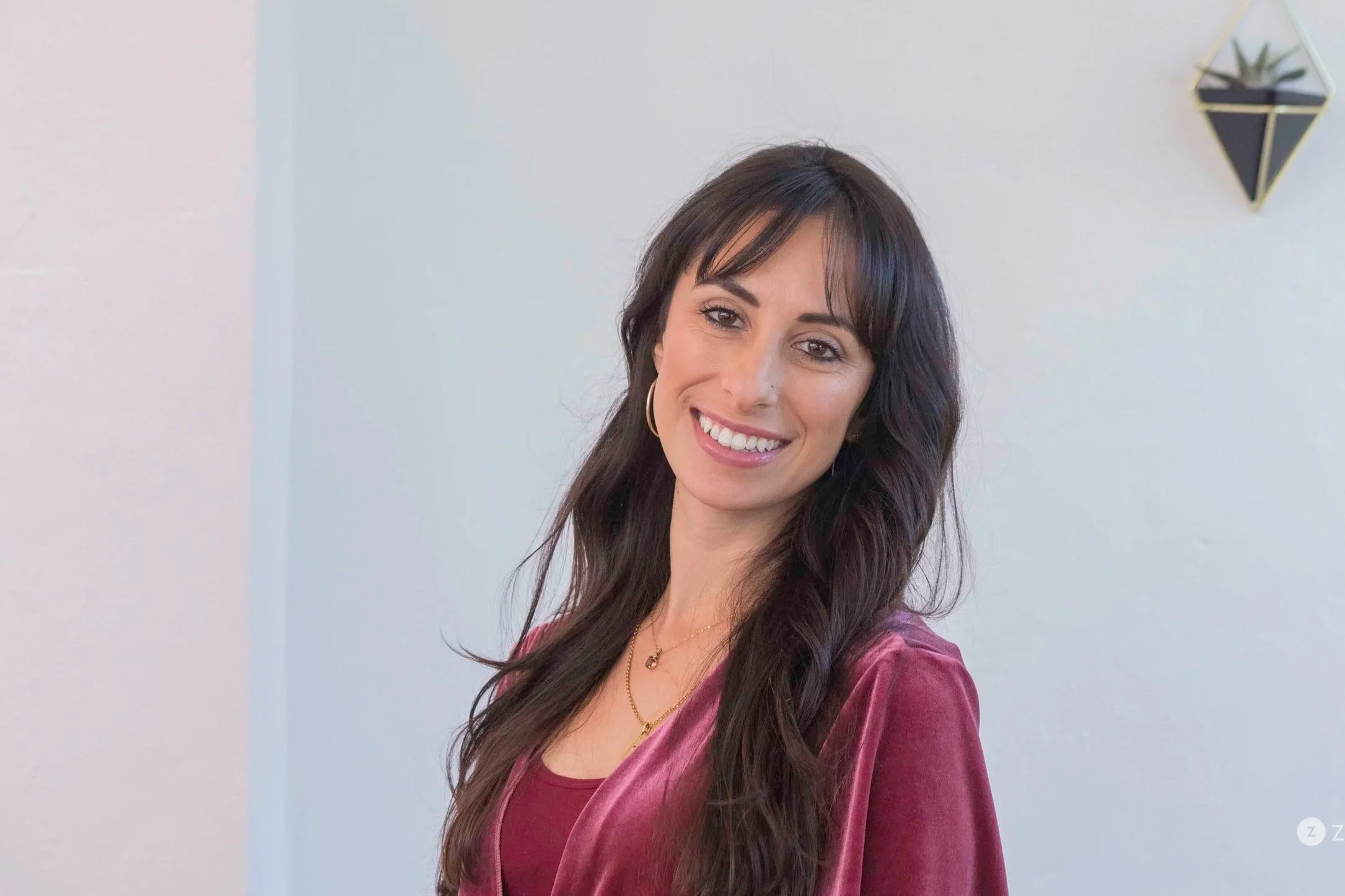
I’m Diandra, a Licensed Marriage and Family Therapist, and founder of Diandra Medina, MFT & Associates. We provide eating disorder treatment in San Diego for women who appear high functioning on the outside but feel deeply critical on the inside.
Many of our clients have lost their voice or sense of self due to past trauma or everyday pressures. Body shame becomes the loudest expression of that disconnection. In our work together, we do not focus on changing your body. We focus on changing your relationship with it.
Body image therapy is not about forced positivity or pretending you love every inch of yourself overnight. It’s about understanding where these beliefs came from—family messages, cultural standards, relationship experiences, moments of teasing or comparison that stayed longer than anyone realized. We gently explore how those messages shaped the way you see yourself.
Reconnect With Yourself
We help individuals learn to live authentically, in balance and peace—not only with others but more importantly with themselves. Through attuning to the messages your mind and body are sending, we create a roadmap of personal self-care and practical tools to relieve daily distress and relational conflict.
With over ten years of experience supporting clients with anxiety, trauma, eating disorders, and relational challenges, we know that therapy doesn’t have to be only about talking through painful memories. There is space for insight, practical strategies, and even happiness in your own skin and in connection with others.
Together, we work with all parts of you: the part that wants to hide, the part that feels angry, and the part that still hopes for freedom. Healing means reclaiming your voice, not abandoning any piece of yourself
What Healing Can Look Like
Healing doesn’t mean you never have a hard day again. It means that the hard day no longer defines your worth.
Getting dressed for an event without months of dread.
Being intimate and staying present instead of critiquing your body.
Hearing a comment about weight without turning it into a verdict about your value.
Living more authentically and in balance, with yourself and others.
If you’re searching for eating disorder treatment in San Diego, know that you don’t have to navigate this alone. You deserve to feel more at home in your body and more connected in your relationships.
We’d love to help you too. Click here to schedule your free 15- minute phone consultation for eating disorder therapy in San Diego.
Frequently Asked Questions About Eating Disorder Treatment in San Diego
-
We offer eating disorder treatment in San Diego for adults through my practice, Diandra Medina, MFT & Associates. Sessions are available for adults navigating disordered eating in its many forms. Reach out to learn how we might work together and whether my approach feels like the right fit for where you are right now.
-
We use integrative approaches, which means we draw from several evidence-informed methods and tailor them to you rather than following a single rigid protocol. Eating disorders rarely exist in isolation, so we also address connected concerns like trauma, self-esteem, and body image as part of the work.
-
Yes, and that connection is actually central to how we work. Many of the adults we see are dealing with disordered eating alongside past trauma or painful feelings about their bodies. We hold all of that together in our sessions rather than treating each piece separately, because they are rarely separate in real life.
-
The early sessions are really about getting to know you and your story at a pace that feels safe. I am not rushing toward a diagnosis or a treatment plan in the first hour. We spend time understanding what eating, food, and your body mean to you, and from there we build a direction for the work together.
-
If your relationship with food, eating, or your body is causing you distress or getting in the way of your daily life, that is enough of a reason to reach out. You do not need a formal diagnosis to deserve support. A free consultation is a low-pressure way to talk through what you are experiencing and decide together whether therapy makes sense.
-
We are in network with Cigna/Evernorth and would be happy to provide a monthly superbill to submit to insurance providers were are not in network with. We encourage you to reach out directly so we can give you the most current and accurate information about fees and insurance. Payment and logistics are practical things we can sort out, and we never want that to be the reason someone doesn't get support.
-
As a Licensed Marriage and Family Therapist (LMFT #96724), I specialize in working with adults navigating eating disorders, body image concerns, self-esteem, and trauma. My integrative approach means I bring together multiple therapeutic lenses to meet each person where they are, rather than applying a one-size-fits-all model.